The last two years were defined by unprecedented challenges for Israel, marked by the ongoing conflict and the urgent need for community resilience, security, and care for the most vulnerable. Through the help of global Christian supporters and in partnership with Israeli friends, the ICEJ was able to provide vital, life-changing assistance across a wide spectrum of humanitarian needs.
From supporting war-affected families and strengthening food security to helping rebuild and rehabilitate communities—here is how ICEJ respond when Israel needed it most.
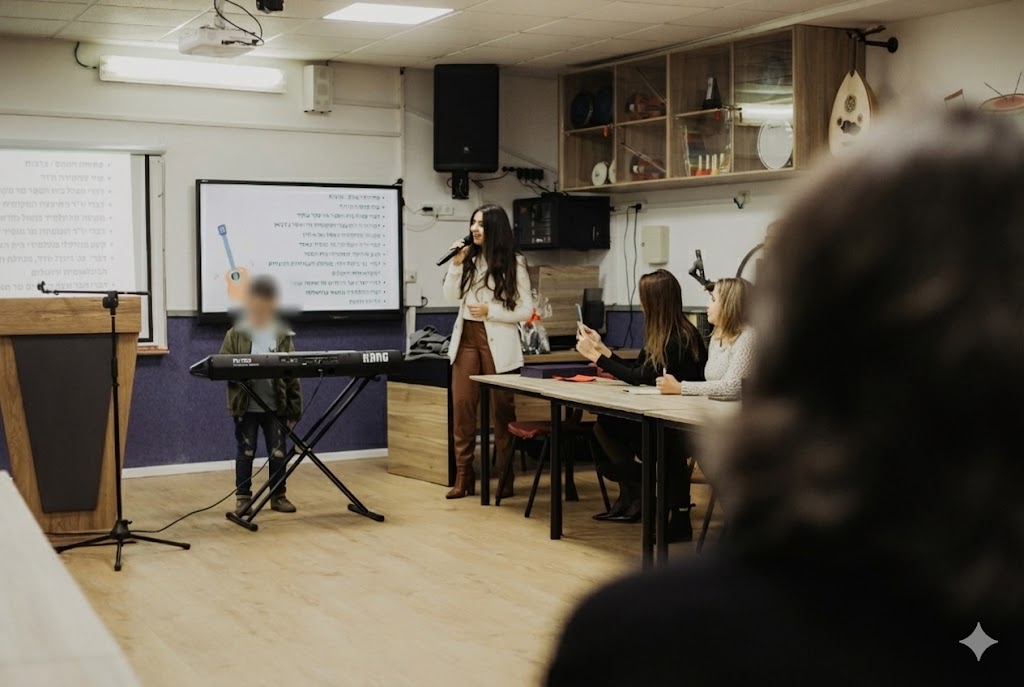
Our Resilience Preparedness Program supported Majd al-Krum, an Arab community in the Galilee. ICEJ's assistance upgraded the local Women's Center, creating a safer and more welcoming environment for the 40 young women it serves. Creative workshops in woodworking and mural art helped participants build practical skills, self-confidence, and a sense of belonging. The donation is also contributing to the development of a new community park, benefiting the wider Majd al-Krum community.
In addition, ICEJ sponsored trauma treatment for two groups of emergency responders who served during the October 7 attacks. The sessions were held on a farm in the Negev, providing first responders with space to process their experiences and begin healing.
Building Civilian Resilience →
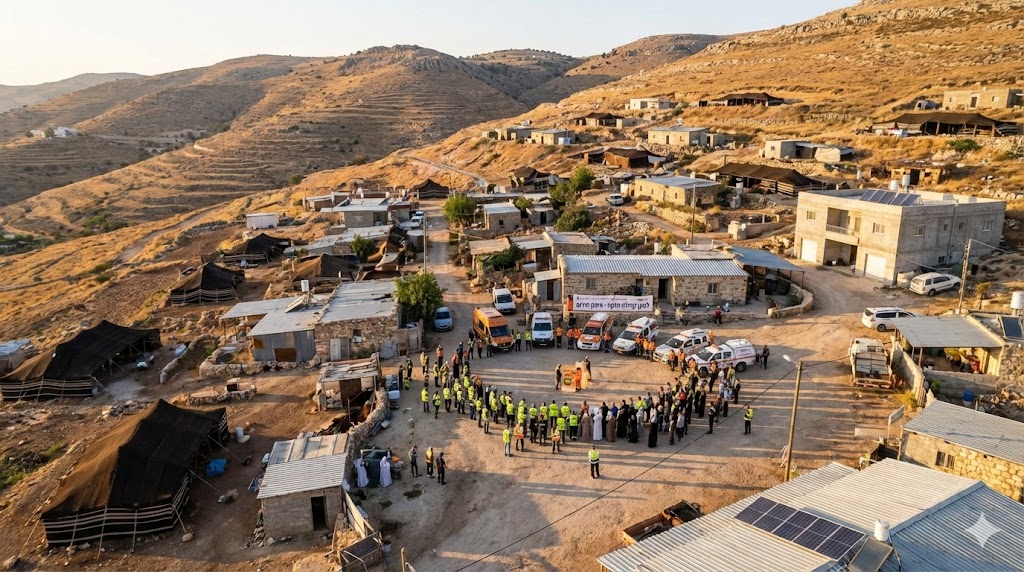
Since October 7th, 2023, ICEJ installed 51 new bomb shelters across Israel, in vulnerable regions including a Karmiel Food Distribution Center.
Bomb Shelters Project →The ICEJ has donated a total of five ambulances since the war began on October 7, 2023, with a sixth now on order. This includes a specially designed, fully equipped ambulance enabling the transport of disabled children to life-saving medical appointments and treatments. Furthermore, ICEJ sponsored two Medi-cycles as well as dozens of paramedic kits, and protective gear.
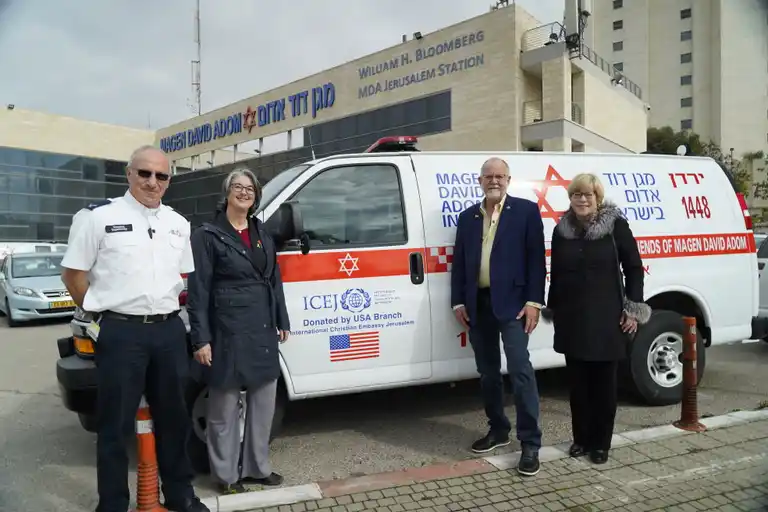
View Ambulance Donation →
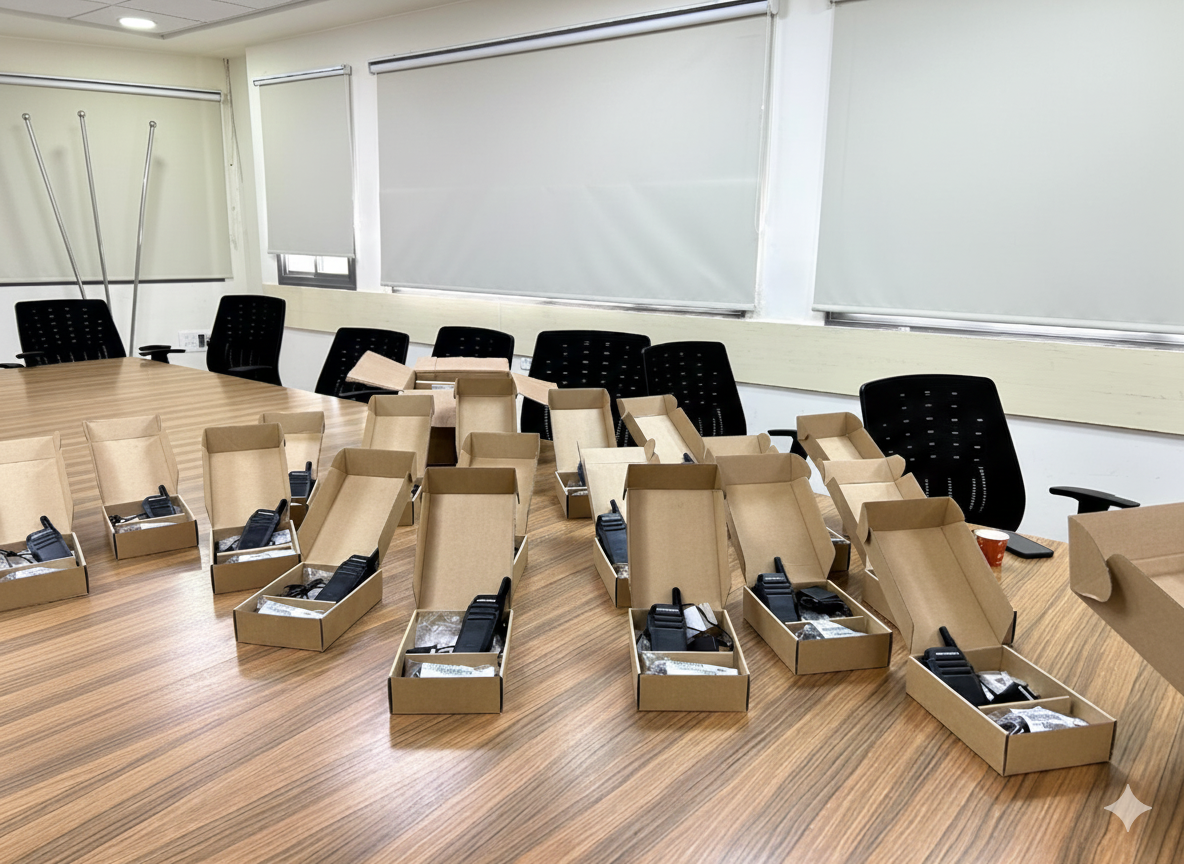
Since the war, ICEJ provided 702 communication devices and several relay towers to communities along the northern border. Areas benefited include: Sadot HaNegev, Hof Ashkelon, Shlomi & Ma'alot Tarshiha, Merom HaGalil , Merchavim , Tzfat , Lower Galilee Regional Council , Dorot & Sha'ar HaNegev. These devices have proved to be game changers for local emergency response teams, greatly improving coordination and lifesaving response capabilities.
Radio Devices Story →The ICEJ sponsored life-sustaining equipment for ALEH, a center in Bnei Brak caring for young people with severe disabilities that took a direct hit during the Iranian missile attack in summer 2025.
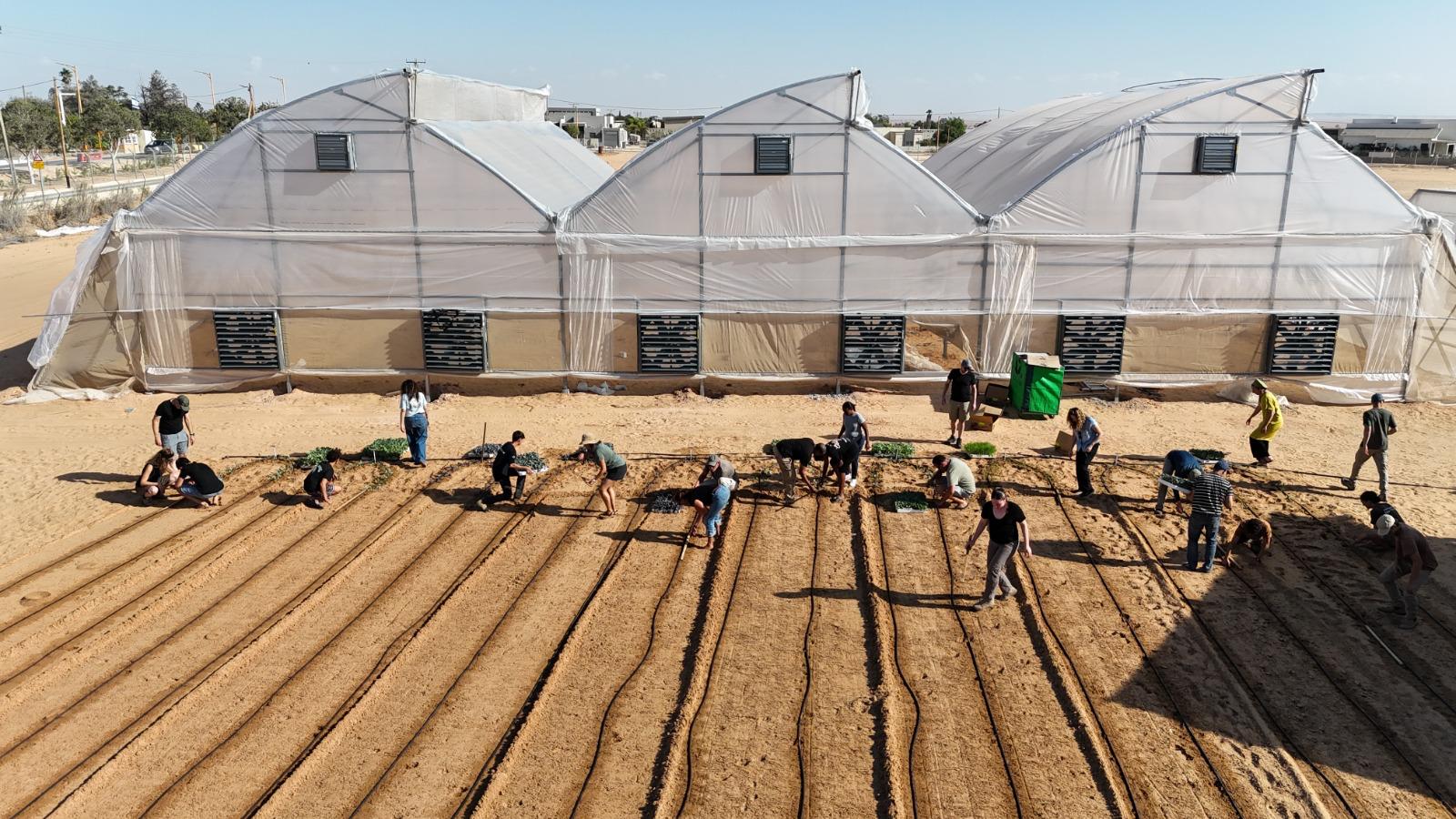
The ICEJ funded a Greenhouse Classroom in the south to give students hands-on agro-tech experience, combining practical farming, leadership training, and modern crop cultivation. A new learning center and four additional classrooms sponsored by the ICEJ are now being built to complete a new education complex, providing modern, well-equipped learning environments. We anticipate the completion of this project by year end.
Future Farmers Story →
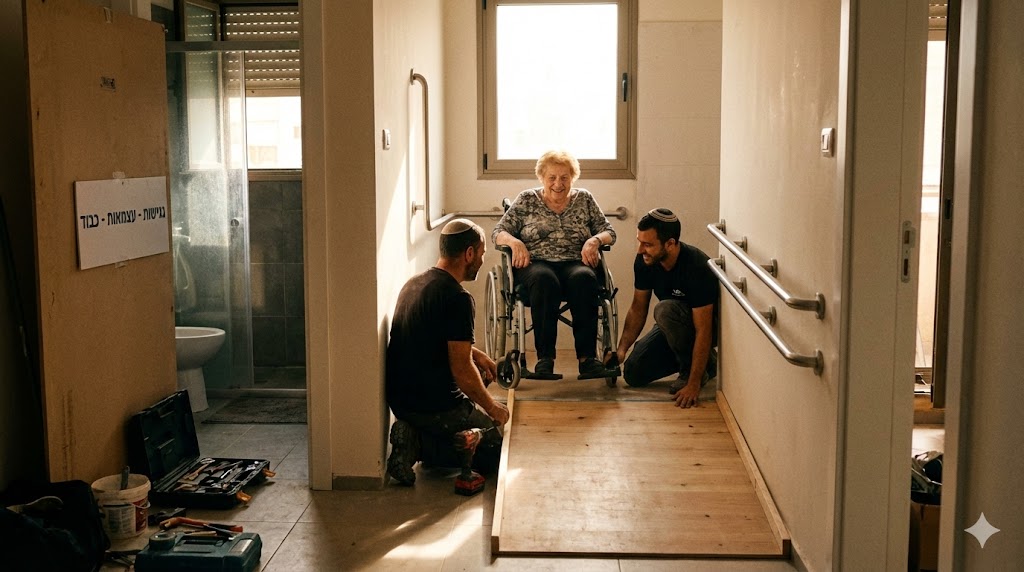
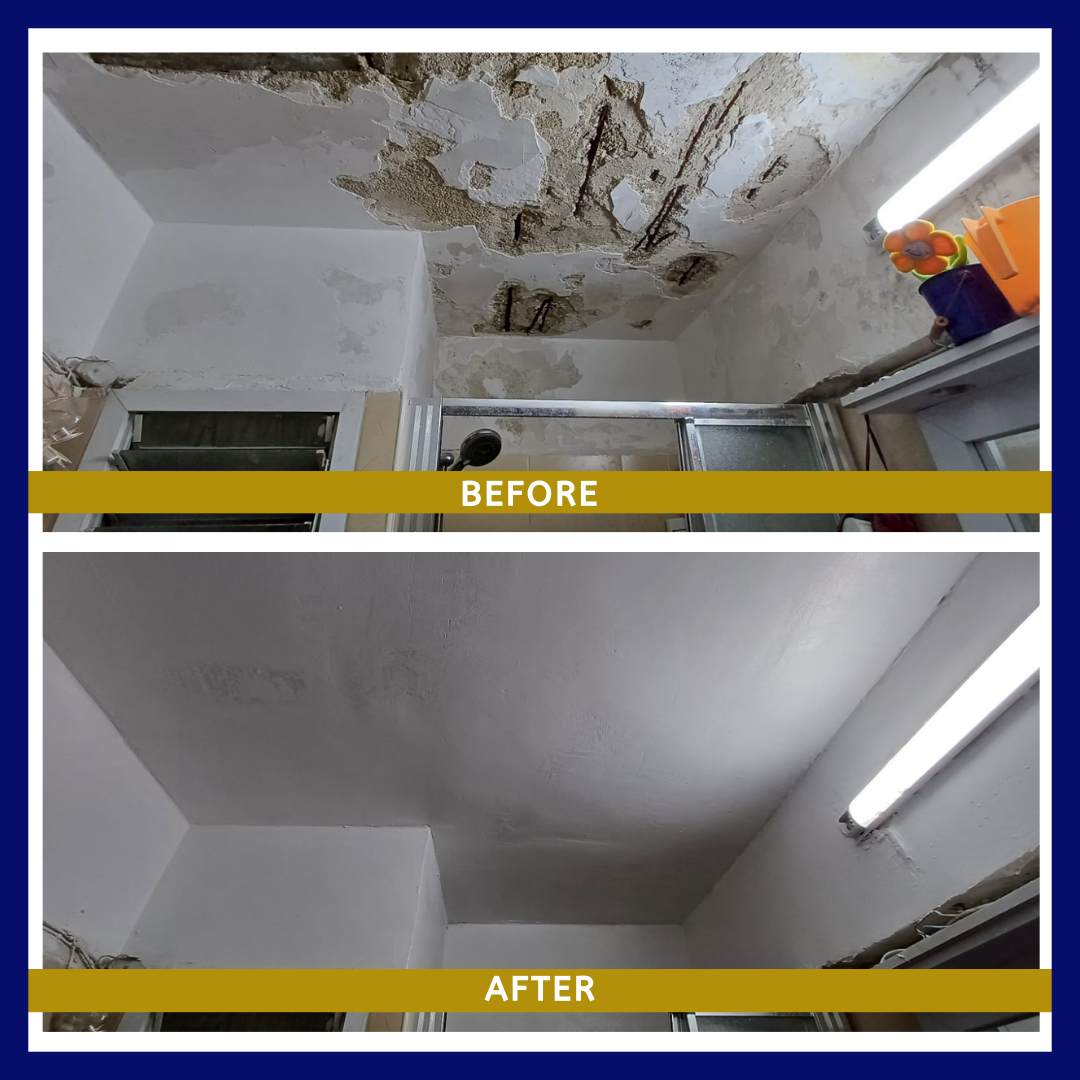
With thousands wounded, the ICEJ provided assistance to adapt several homes for those injured as a result of the war.
Home Renovations →
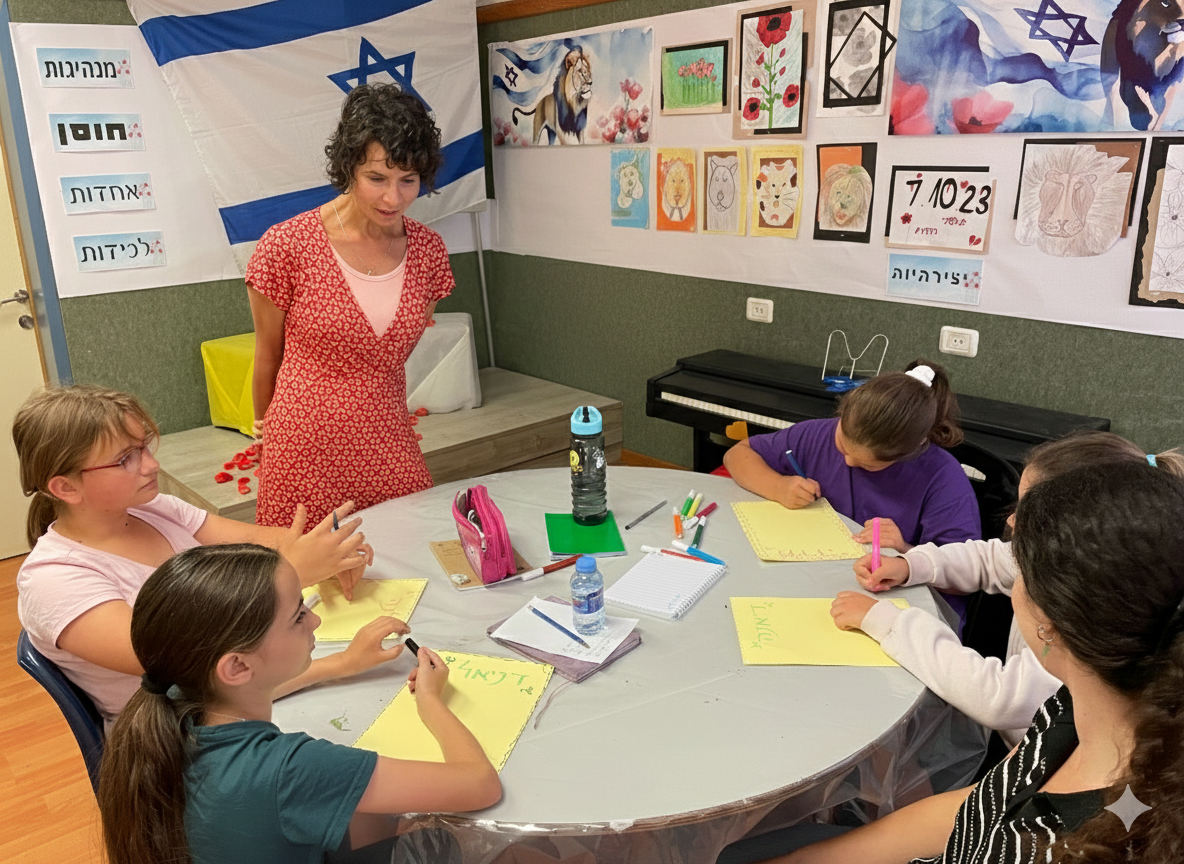
Since the war, ICEJ has supported trauma recovery across Israel. In Sadot Negev, a new Gymboree at Kibbutz Alumim helps children rebuild confidence after October 7.
Gymboree Donation →
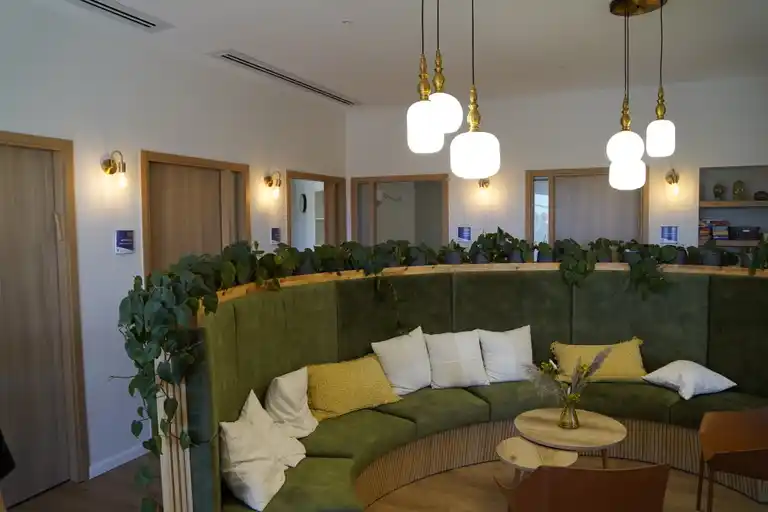
ICEJ renovated a trauma therapy center to provide immediate care in the wake of the attack on the 7th. Recognizing that the space wasn't sufficient to meet the need, four additional therapy rooms are under construction now, which will significantly increase the center's capacity to offer consistent, high-quality trauma care for those in recovery.
Trauma Care Clinic →
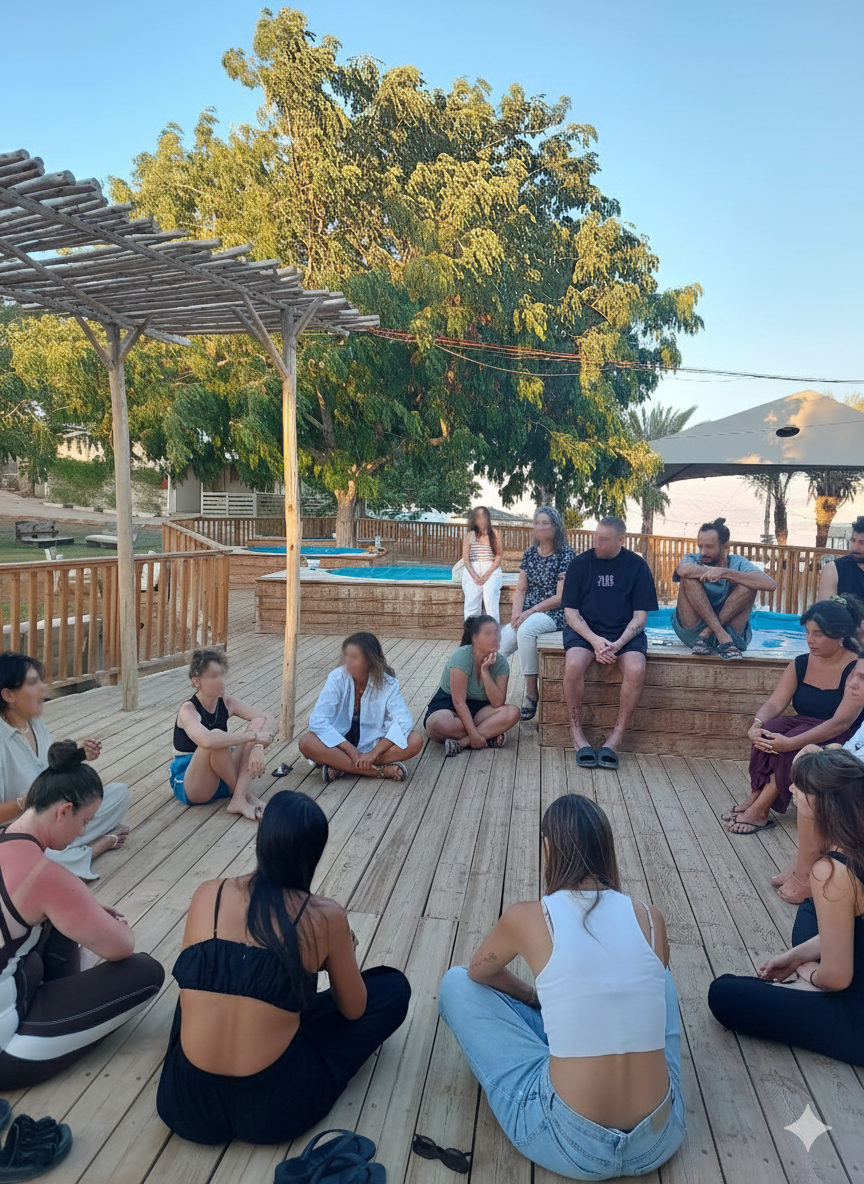
ICEJ sponsored a retreat for some 40 victims of terror including Nova survivors, significantly reducing trauma symptoms and restoring a sense of safety and hope.
Frontlines Response →
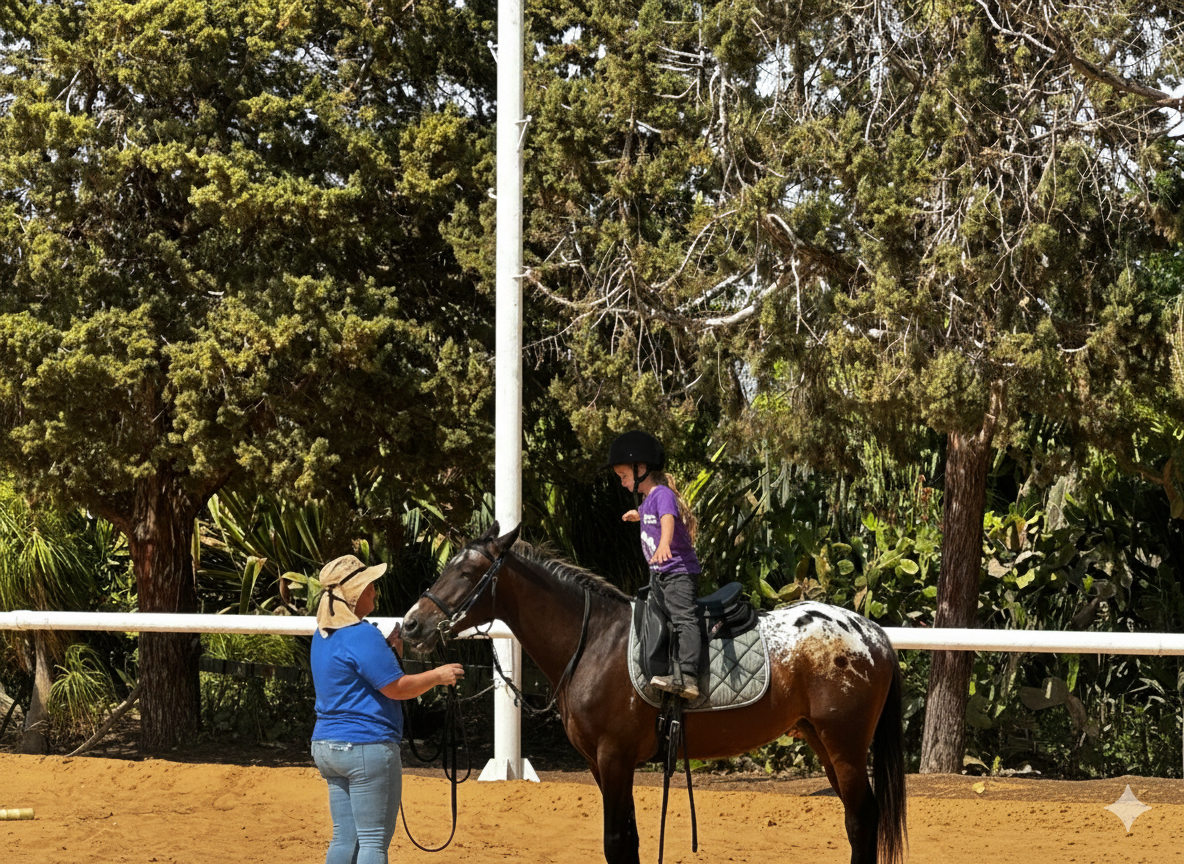
The ICEJ is supporting trauma recovery through horse-assisted therapy at Kibbutz Urim, helping children, teens, emergency responders and others manage anxiety, build confidence, and reconnect emotionally after October 7. Planning is underway to revive and rebuild the animal therapy corner through the generosity of ICEJ's Christian friends worldwide, with building anticipated in 2026.
Animal Therapy Corner →
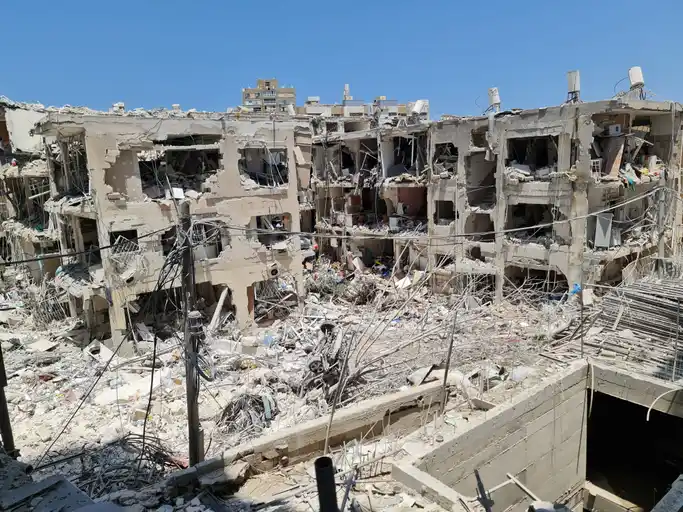
Additionally, following the Iranian attack in the summer of 2025, the ICEJ provided 25 Early Childhood Activity Kits for children. The ICEJ provided 35 grants for victims of terror immigrant families following the Iranian attack in June 2025 and bought furniture needed to house 40 evacuees from Bat Yam who had to flee their destroyed homes. 65 evacuated children in Bat Yam were sponsored for summer camp immediately after the attack.
Help the Hurting →The ICEJ provided grants to 52 evacuated families from Kibbutz Nir Oz whose homes were destroyed. These grants connected each family with interior designers and social workers to replace essential household items through a supportive therapeutic process designed to help recreate a sense of home in their temporary housing.
Healing Through Design →
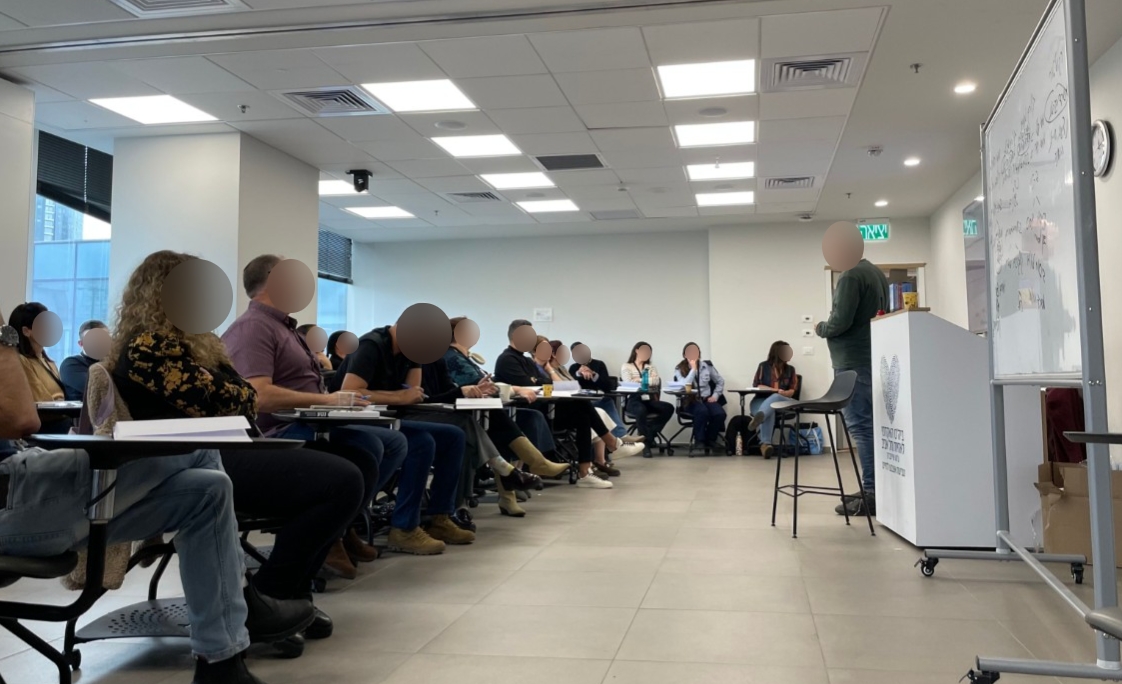
With medical teams under immense strain due to the war, ICEJ supported a program to help 26 hospitals and medical facilities rebuild communication, restore trust, and maintain quality care between Arab and Jewish medical service providers in the difficult post-October 7 environment. This initiative strengthened the professional fabric of Israel in the medical field, at a time of severe stress.
Building Trust Story →
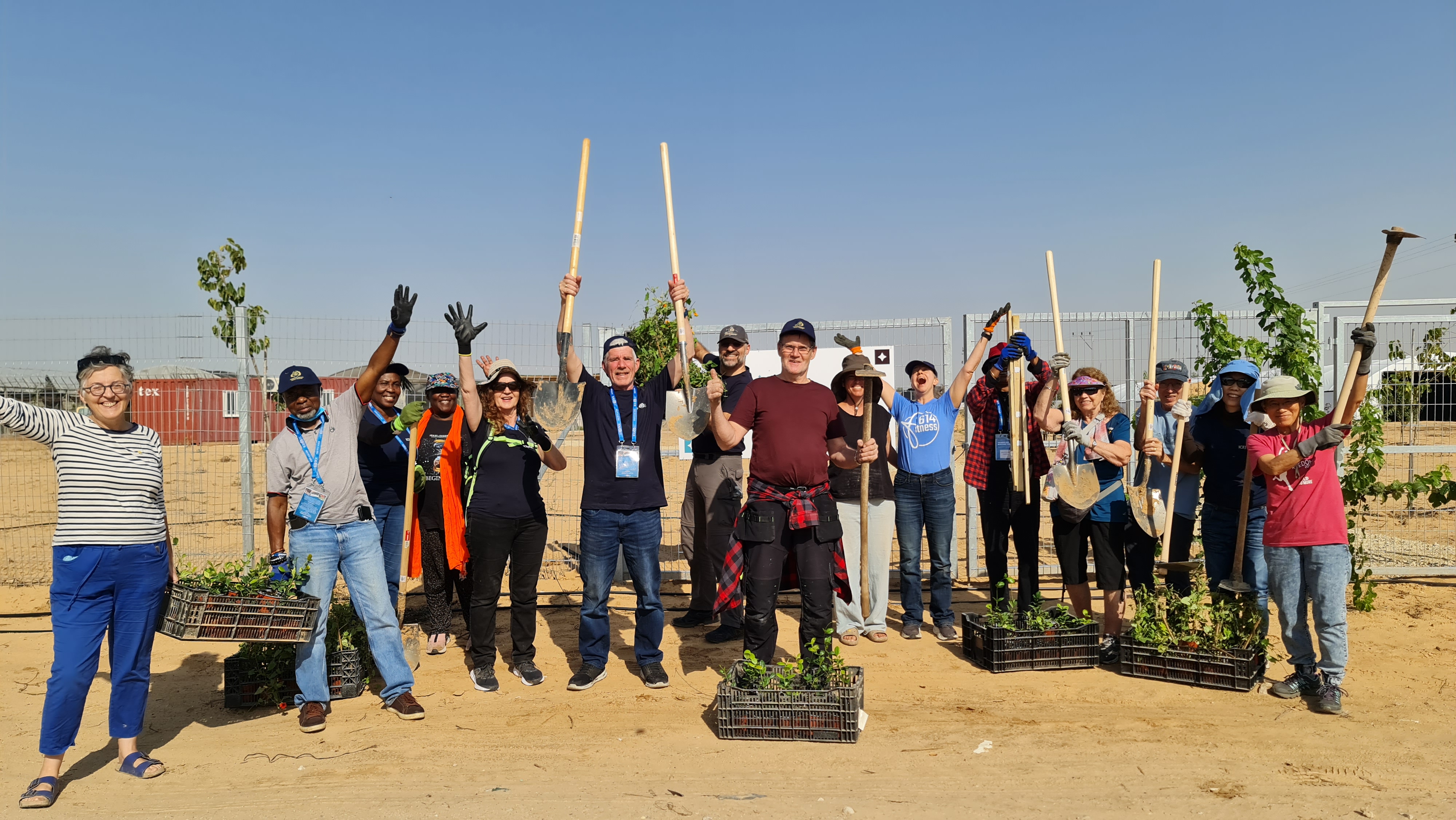
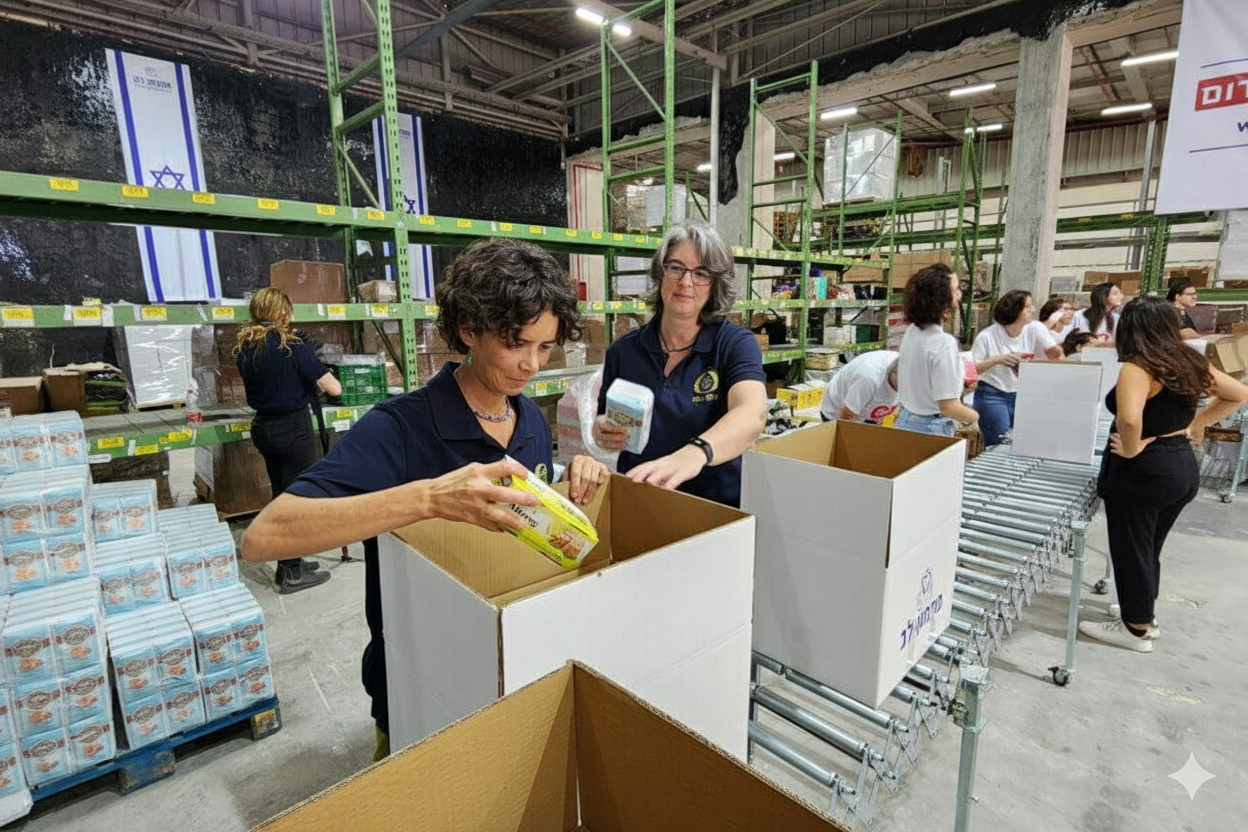
ICEJ hosted four hands-on tours this year, bringing over 50 Christian volunteers from around the world to farms, warehouses, food distribution centers, and kitchens, connecting supporters of Israel to the land in a practical way and bringing encouragement to many Israelis along the way.
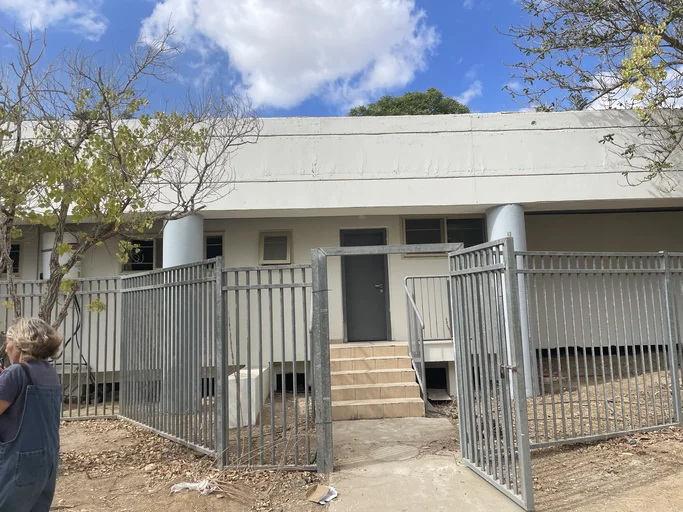
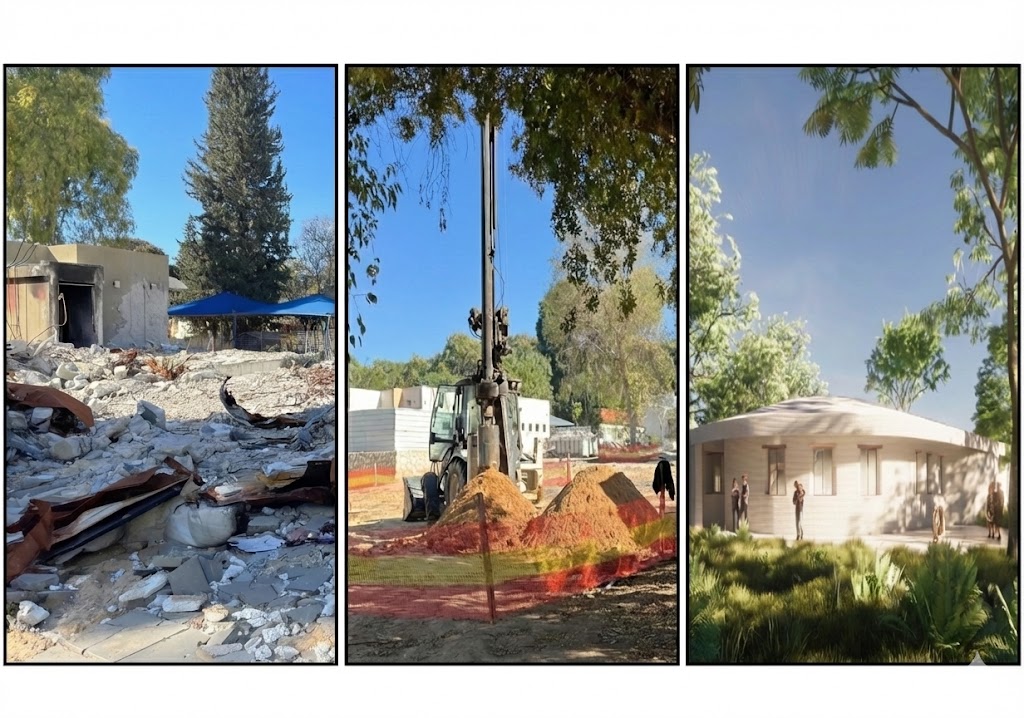
Following the devastating October 7th attacks, many Gaza-border kibbutzim were left in ruins, with homes and public buildings destroyed and communities traumatized. ICEJ is helping rebuild and renovate vital infrastructure across the region, to aid in long-term healing.
On October 7th, kibbutz Kfar Aza suffered one of the most brutal massacres, with 64 residents murdered and 19 taken hostage, including women, children, and elderly residents. The community experienced deep trauma and extensive physical damage. ICEJ is supporting the renovation of two centers to meet the needs of the community going forward.
Recognizing that the community's need for trauma support will be urgent in the coming years, the ICEJ renovated a Trauma Treatment Center for Children— featuring therapy rooms, a sensorimotor space, and an outdoor courtyard. The project is in its final stages and will soon provide a safe and supportive environment for emotional care and developmental therapy for the youngest survivors of the October 7 attack.
A new Music Therapy Center — with individual and group therapy rooms, a recording studio and indoor and outdoor performance areas — is now in the planning stage, with renovations set for 2026. Once completed, it will provide a welcoming space for the community to meet together for creative expression, to process grief and trauma, and to look forward with new hope.
Kibbutz Be'eri, a resilient community in the Gaza envelope, suffered a horrific attack on October 7. Tragically, 51 elderly residents were lost. Despite the devastation wreaked upon it, Be'eri is a resilient community determined to renew and rebuild. Within 7 days after the attack, residents rallied to reopen the printing press, an act that helped bring life to the kibbutz. They are currently living in a temporary neighborhood as rebuilding is taking place. The ICEJ has come alongside to support the rebuilding and recovery process.
The children's activity center became a base for terrorists on the 7th, which led to its destruction. A new center will be rebuilt as a secure and vibrant space for learning and connection. Once rebuilt, it will provide a welcoming space for homework, holiday programs, after-school snacks, and much more.
A Time to Rebuild →
The ICEJ has committed to renovate Ne'ot Be'eri, an Elderly Social and Recovery center that will provide physical therapy, cognitive activities, treatment and recovery programs, as well as social activities to help the community's seniors heal and thrive. The center is currently in the planning stage, with renovations scheduled to begin in 2026.
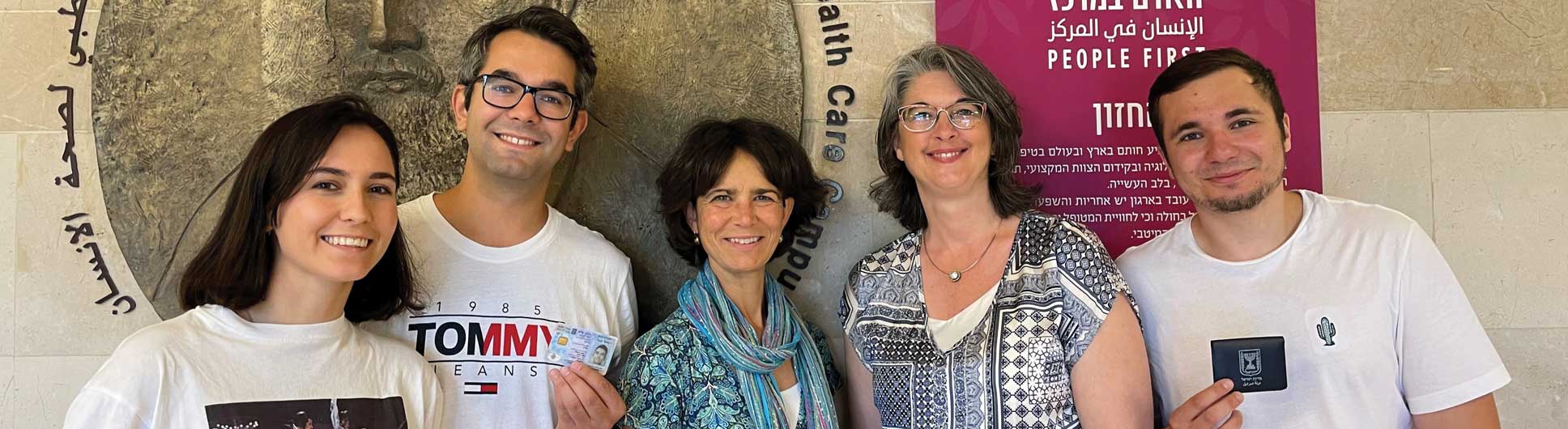
Time to Return & Rebuild →ICEJ has assisted over 7,000 Olim with their Aliyah and integration since Oct. 7th, 2023. So far since the war began, ICEJ, in partnership with the Jewish Agency and others, estimates that over 7,000 Olim have been assisted since the war began through Aliyah flights, pre-Aliyah programs, and integration support.
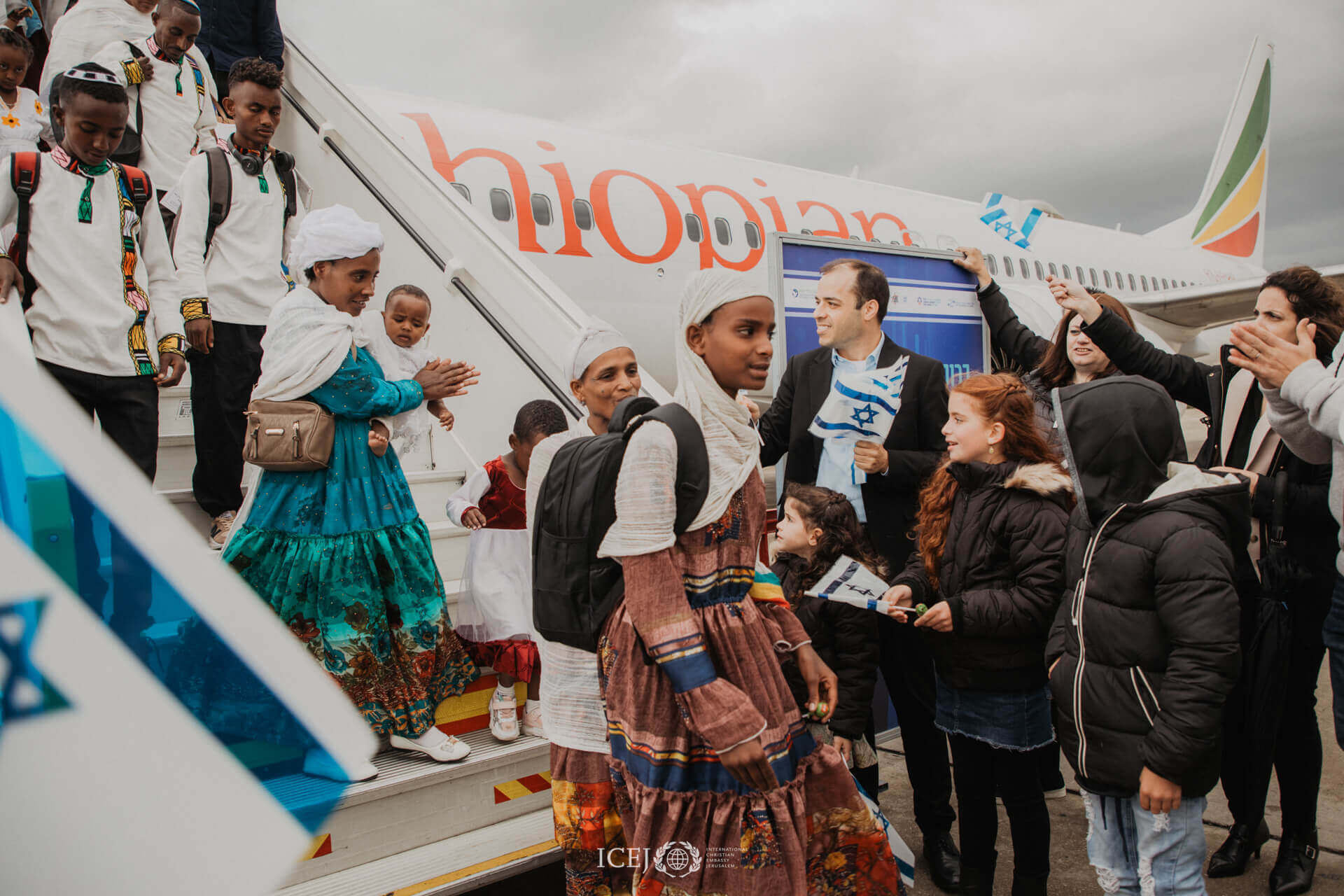
ICEJ sponsored the largest British Aliyah flight in 15 years and arranged special flights for French Jews following the Iran war, while continuing ongoing support for Ethiopian Jews. Through youth programs such as Naale and Sela, including camps and seminars, we nurture the next generation's connection to Israel.
New Wave of Aliyah →Educational initiatives in the Baltics have included youth leader seminars, summer camps, and Aliyah seminars for families.
ICEJ supported an innovative integration program in Acco, where 15 university students contributed 2,850 volunteer hours to mentor 80 Russian and Ukrainian speaking immigrant children. They were mentored in Hebrew language and other courses in exchange for academic support, leading to academic and social improvement for all those participating.
Students & Immigrant Families →
Israel has been struggling to manage a growing shortage of physicians, particularly in family medicine and specialty fields. The Physician Training Program helps new immigrants who already have accreditation in their home countries prepare for Israel's relicensing exam. The eight-month course includes a professional internship, standard and medical ulpan, and intensive preparation. Since the war, the courses attracted some 90 physicians to the program.
A residential integration program located in kibbutzim across Israel offers new immigrant families a supportive environment for their first 6–12 months, helping them learn Hebrew, build community, attend workshops on Israeli life, and find employment. ICEJ's support assisted some 40 immigrant families with new furniture for their homes as well as welcome bags with essential household items, helping them begin their new lives in the land.
First Home Story →ICEJ recently launched a new app in an exclusive partnership with the Jewish Agency, designed to streamline their Aliyah journey…
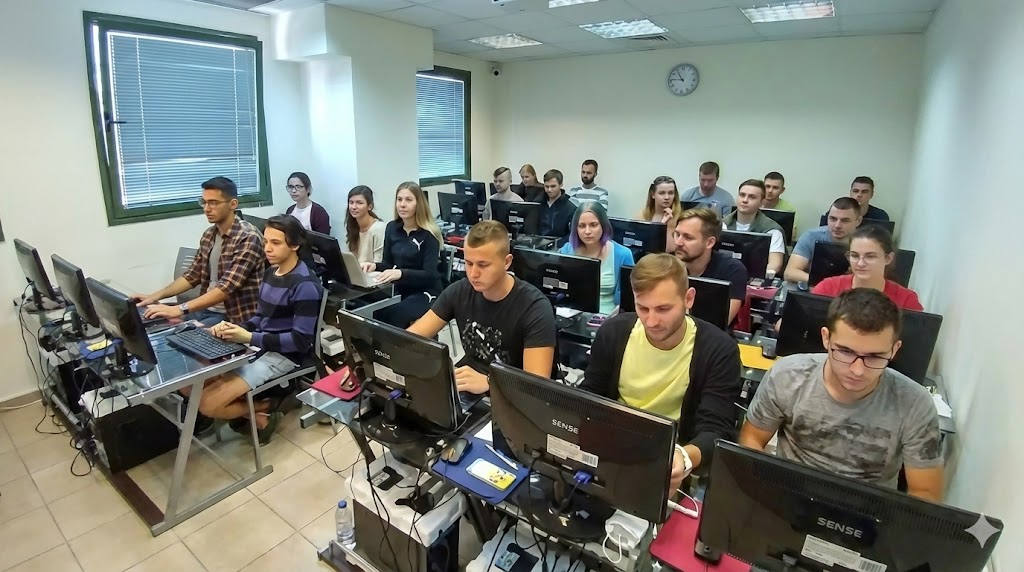
ICEJ supports young Russian speaking professionals through a 12-month program that includes intensive Hebrew, computer theory, and practical training. The program also offers workshops on Israeli workplace culture, financial planning, and job search skills. Graduates often secure employment within three months at leading Israeli companies.
ICEJ supported a mentoring program for 42 young, vulnerable, at-risk youth immigrants and families in Ashdod and Ma'alot. Following the October 7 attacks and subsequent conflicts, outreach was expanded in northern and southern Israel to address trauma, learning gaps, and social-emotional challenges. New initiatives included social skills groups, learning centers, family counselling spaces, and staff training to strengthen resilience.
ICEJ gave support for 40 children through the SELA program (Students Before Their Parents), which is an educational and absorption framework for young adults and youth (typically recent high school graduates aged 17-19 from the FSU) who immigrate to Israel on their own.
SELA Flights Story →In 2025, ICEJ Homecare continued its mission to "comfort My people," serving elderly Russian-speaking immigrants and Holocaust survivors. Amid the ongoing war with Gaza, the homecare adapted its approach to provide deeper, more personalised support for individuals facing loneliness, anxiety, and declining health. Long-standing relationships allowed Homecare to walk closely with each one in their care during a difficult year.
Working five days a week, Homecare assisted 12–15 families weekly, most of them in Jerusalem. Services included basic nursing care, hygiene support, wound care, exercises, grocery shopping, accompaniment to medical appointments, and practical help during hospitalisation, hospice care, or bereavement.
From poverty relief and technology access to supporting young mothers and empowering minority communities—ICEJ invests in sustainable programs that create lasting change.
2 ICEJ sponsored distribution trucks supplied 250K Food Parcels.
War Truck Aid Delivery →
Since the war, ICEJ has supported 62 small businesses with aid such as consultancy for marketing, website development, and aid to adjust business plans to overcome current challenges. Our initial support helped launch a program that has now attracted government funding and additional donor contributions, enabling 460 small businesses across northern and southern Israel to receive essential assistance.
In addition, 125 immigrant and single-parent families received vital support.
Small Business Support →This program has provided dedicated support and mentoring to 67 young mothers across Israel. The program is a lifeline for young women, some as young as 13, who face isolation, financial hardship, trauma, and are at risk for abuse.
Young Mothers Story →
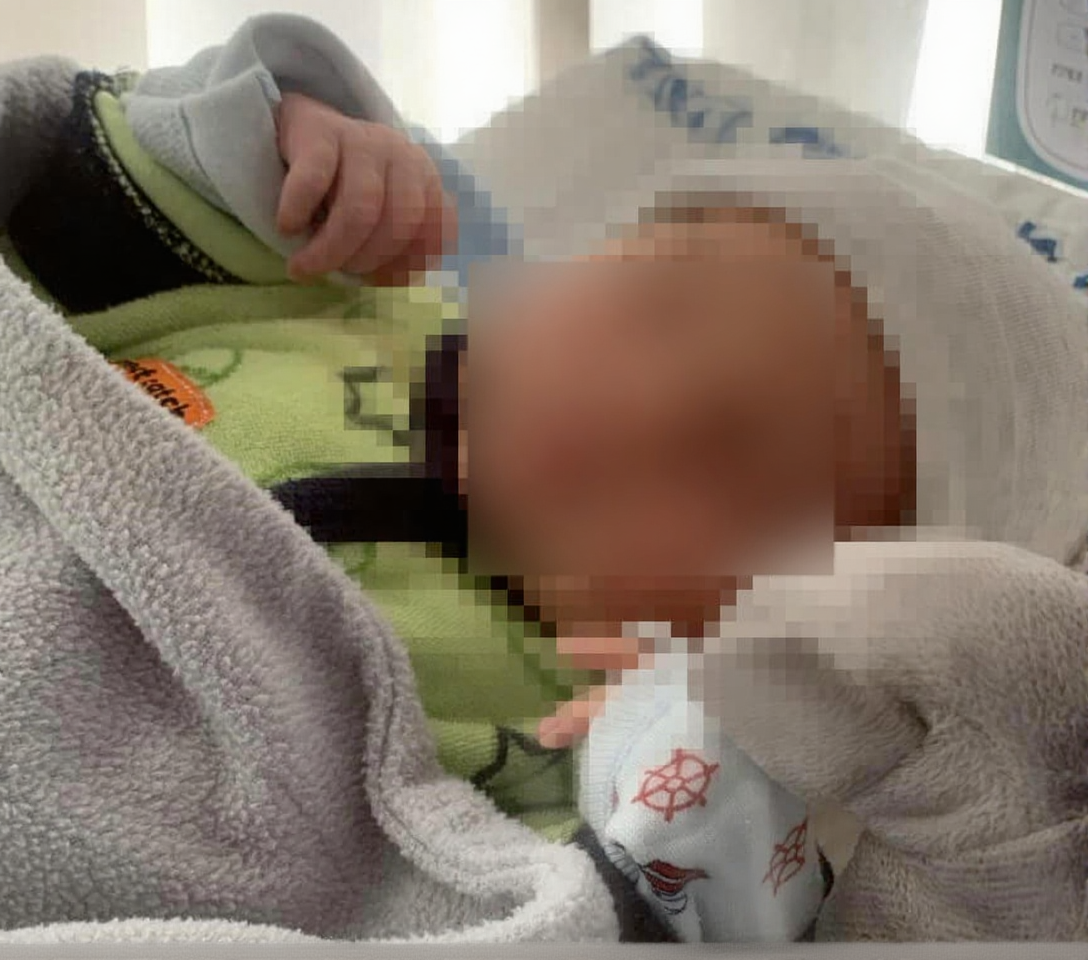
Through ICEJ's aid for pro-life initiatives, some 20 mothers were able to choose life for their babies. Each mother received essential supplies (crib, stroller, bath) and/or monthly vouchers for essentials like diapers and formula, along with emotional support.
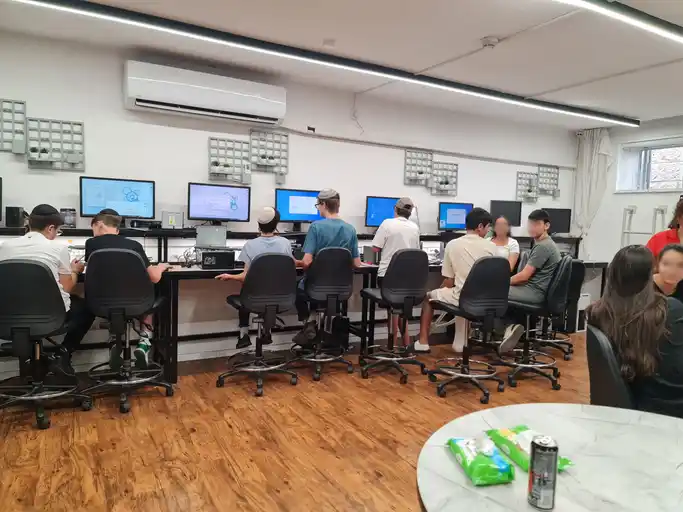
Yes to Life Story →The program saw 163 students participate across 7 campus clubs helping prepare the next generation of Arab students to enter and integrate into the Israeli hi-tech sector. This program helps bridge cultural and language gaps, exposes students to Israeli hi-tech companies, and gives them practical hands-on experience and workshops. The program achieved 55.5% female participation and hosted an Engineering Club Conference attended by 85 students at Google.
The ICEJ supported a social lab, which collects used computers, refurbishes them, then donates them to families and institutions in need, while also training at-risk youth in practical computer skills. Through this project, more than 7 tons of e-waste were recycled, and 473 computer kits were distributed. A total of 61 volunteers and teens took part in meaningful, hands-on training that equipped them with valuable technical experience.
Closing Social Gaps →
Over the course of the war, the ICEJ provided scholarships to 150 Druze university students, empowering them to pursue higher education. Additionally, ICEJ funded the renovation of a music room and a robotics classroom in 2 Druze elementary schools in the north, enhancing STEM learning, creative expression and other useful skills for the next generation.
Druze Students Story →
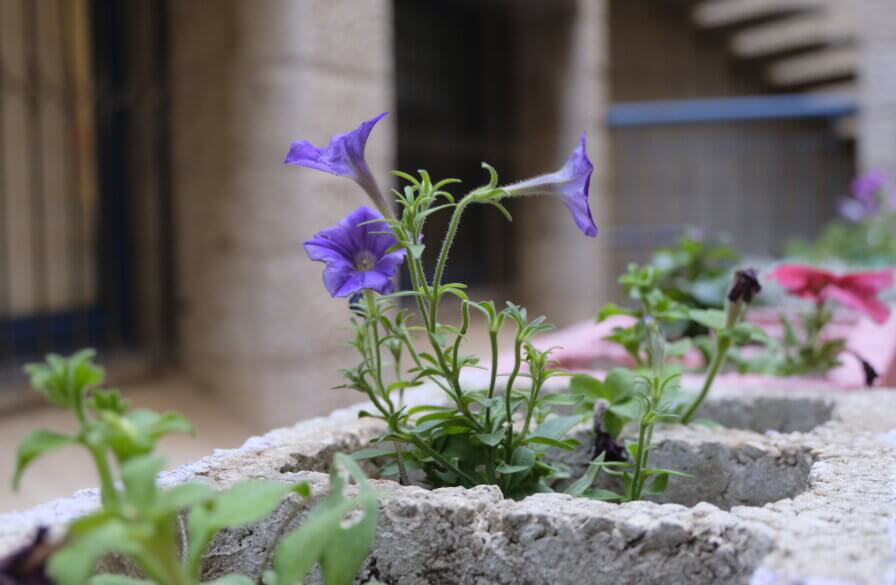
ICEJ sponsored a new therapeutic garden, the garden is for a training center supporting 90 adults with disabilities, helping them learn life skills and prepare for employment.
Cultivating Purpose →The Haifa Home was marked by both challenge and grace as residents navigated the stress and uncertainty of the ongoing war. However, we are deeply grateful for God's protection over the Home and all who live there.
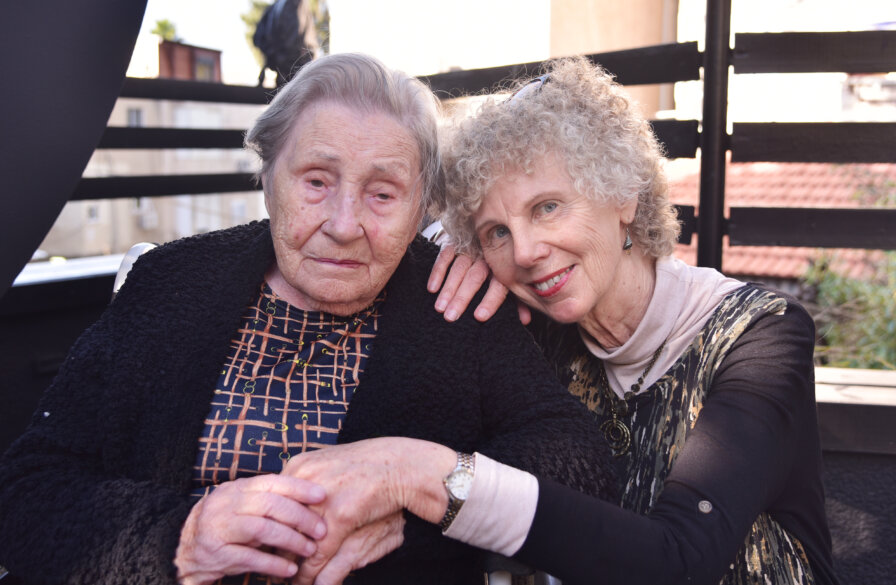
In the ICEJ Haifa Home significant enhancements were introduced to improve daily life. A new in-house beauty salon now provides hair, foot, and nail care, and the addition of a nine-seater vehicle enables staff to take residents on short outings and day trips. The Hebrew ulpan continued to expand and now includes 18 students across three levels, all aged 80 and above, with the oldest participant being 92. The residents and staff also mourned the loss of three survivors, each of advanced age, while celebrating a remarkable milestone as Miriam, the eldest resident, turned 103.
Despite the wartime environment, Christian groups and individual supporters still visited, offering encouragement and companionship to the residents of the Haifa Home.
Haifa Home Info →The year also featured the first screening in Israel of the Miss Holocaust Survivor documentary at a Haifa auditorium.
Watch Trailer →